Toradex Displays
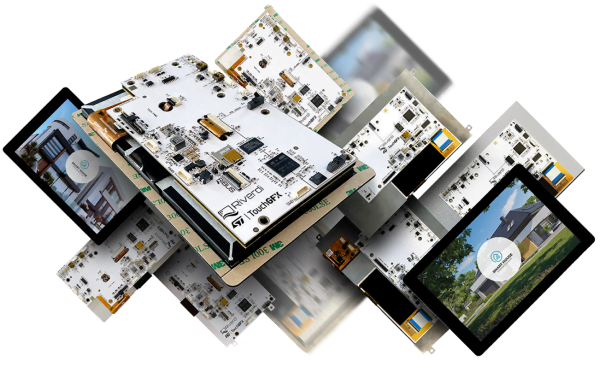
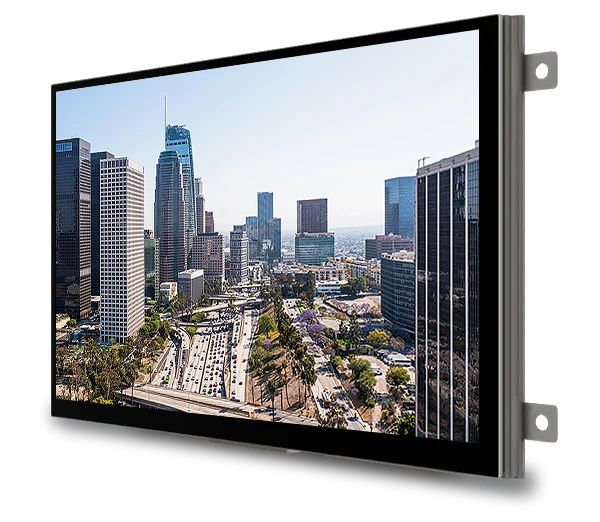
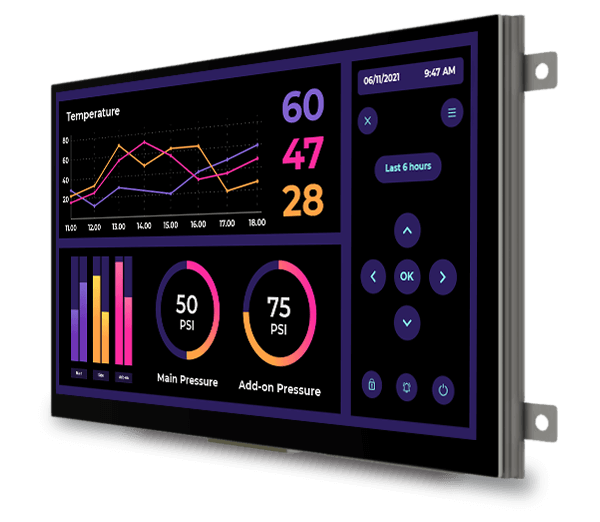
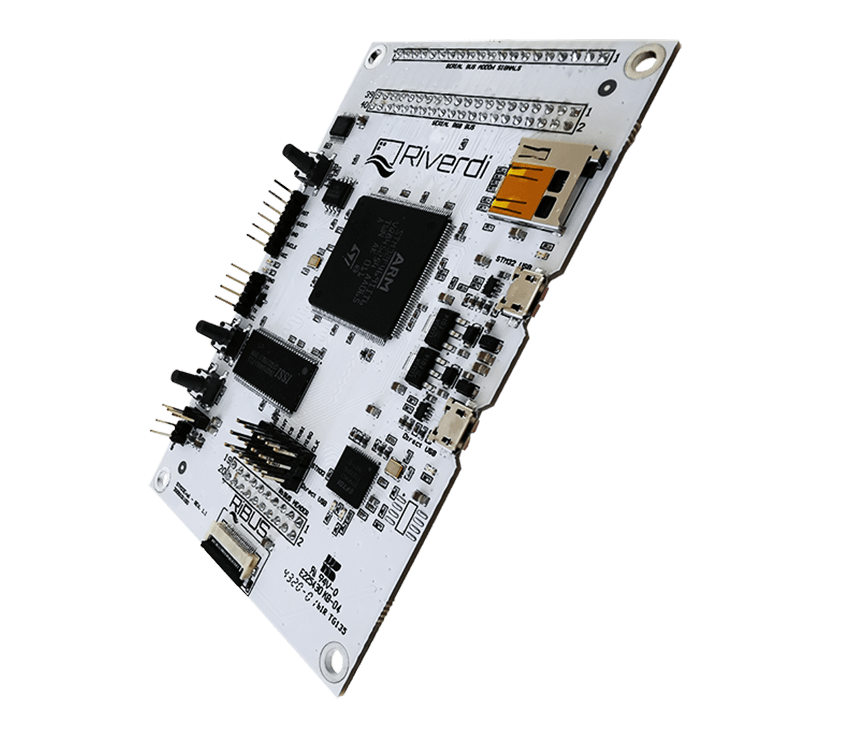
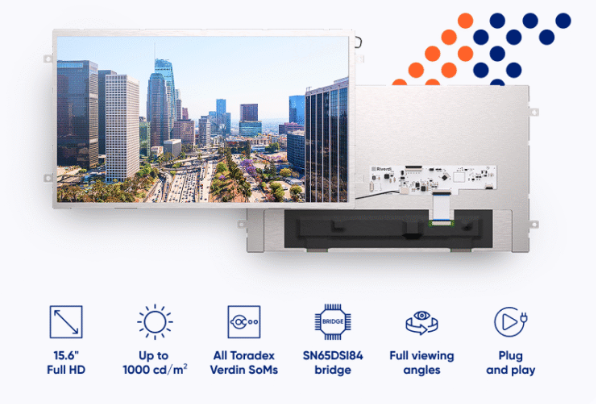
Toradex displays are IPS TFT single board computer displays for Verdin-based systems, ready to work with Dahlia and Mallow carrier boards. Each module combines MIPI DSI, an SN65DSI83 bridge, a 34-pin Riverdi connector, EDID auto-detection and Linux display/touch drivers.
Currency:
-
High Brightness IPS display 15.6″ TFT LCD Full HD 1920x1080px, MIPI DSI interface – RVT156HKDNWN00
$257.16 -
High Brightness IPS display 15.6″ TFT LCD Full HD 1920x1080px, MIPI DSI interface + Capacitive touchscreen – RVT156HKDNWC00-B
$383.17 -
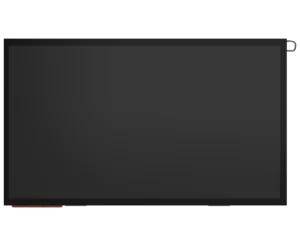
High Brightness IPS display 15.6″ TFT LCD Full HD 1920x1080px, MIPI DSI interface + Capacitive touchscreen – RVT156HKDNWCA0-B
$377.91 -
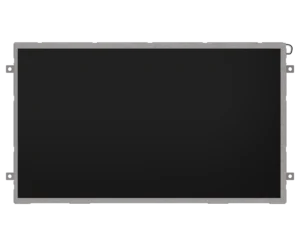
High Brightness IPS display 15.6″ TFT LCD Full HD 1920x1080px, MIPI DSI interface – RVT156HKDFWN00
$290.19 -
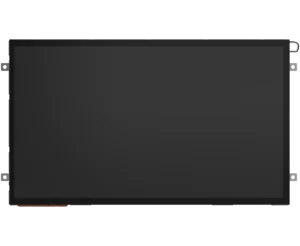
High Brightness IPS display 15.6″ TFT LCD Full HD 1920x1080px, MIPI DSI interface + Capacitive touchscreen – RVT156HKDFWCA0-B
$409.58 -

High Brightness IPS display 7.0″ TFT LCD 1024x600px, MIPI DSI interface – RVT70HSDNWN00
$64.97 -
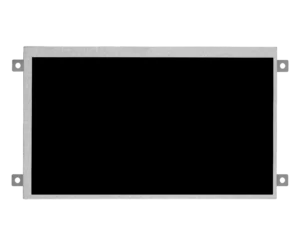
High Brightness IPS display 7.0″ TFT LCD 1024x600px, MIPI DSI interface – RVT70HSDFWN00
$67.53 -

High Brightness IPS 7.0″ TFT LCD display 1024x600px with Capacitive Touchscreen, MIPI DSI – RVT70HSDNWC00
$101.98 -

High Brightness IPS 7.0″ TFT LCD display 1024x600px with Capacitive Touchscreen, MIPI DSI display – RVT70HSDNWC00-B
$121.90 -

High Brightness IPS display 7.0″ TFT LCD 1024x600px with Capacitive Touchscreen, MIPI DSI interface – RVT70HSDNWCA0
$99.32 -

High Brightness IPS display 7.0″ TFT LCD 1024x600px, MIPI DSI interface + Capacitive touchscreen – RVT70HSDFWCA0
$102.00 -
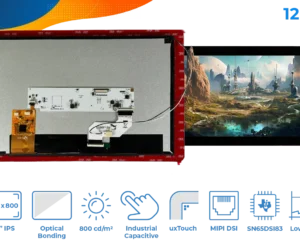
High Brightness IPS display 12.1″ TFT LCD 1280x800px, MIPI DSI interface + Capacitive touchscreen – RVT121HVDNWC00-B
$227.10 -
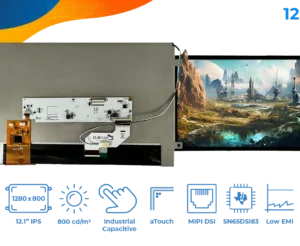
High Brightness IPS display 12.1″ TFT LCD 1280x800px, MIPI DSI interface + Capacitive touchscreen – RVT121HVDFWCA0-B
$233.87 -
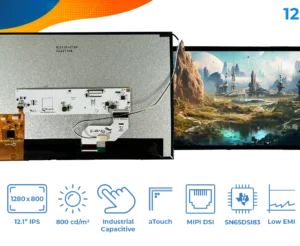
High Brightness IPS display 12.1″ TFT LCD 1280x800px, MIPI DSI interface + Capacitive touchscreen – RVT121HVDNWCA0-B
$224.20 -
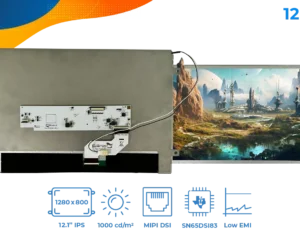
High Brightness IPS display 12.1″ TFT LCD 1280x800px, MIPI DSI interface – RVT121HVDFWN00
$173.55 -
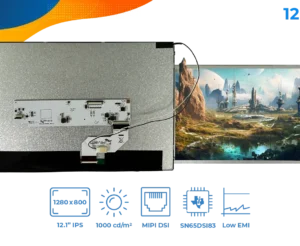
High Brightness IPS display 12.1″ TFT LCD 1280x800px, MIPI DSI interface + Capacitive touchscreen – RVT121HVDNWN00
$163.88 -
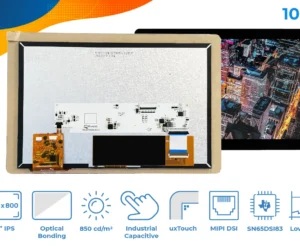
High Brightness IPS display 10.1″ TFT LCD 1280x800px, MIPI DSI interface + Capacitive touchscreen – RVT101HVDNWC00-B
$189.73 -
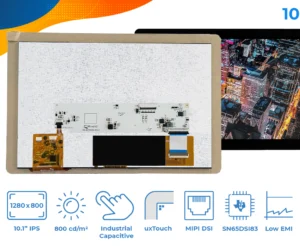
High Brightness IPS display 10.1″ TFT LCD 1280x800px, MIPI DSI interface + Capacitive touchscreen – RVT101HVDNWC00
$169.68
What are Toradex displays?
Toradex displays follow the Verdin architecture: application processor on the SoM, carrier board as the interface base, Riverdi module as the MIPI DSI display.
Verdin modules use application processors such as NXP i.MX 8M Mini, NXP i.MX 8M Plus and TI AM62x, with software paths including Torizon Linux, Android and QNX. That puts this category closer to Linux HMI and edge-device systems than to MCU-class displays.
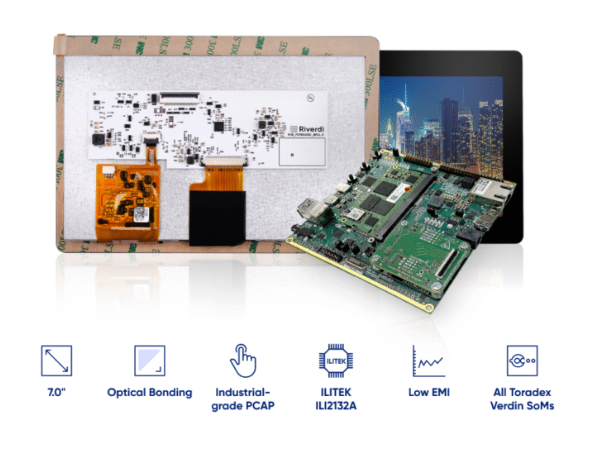
Compared with other display paths: High Brightness IPS gives you the bare panel, HDMI a monitor-style input, and STM32 puts the MCU on the display board.
As Tomasz Soldat, CTO at Riverdi, puts it: “The modules already match the Dahlia and Mallow hardware path, so engineers start from a known MIPI DSI, bridge and driver setup instead of debugging the panel stack from zero.”
Within Riverdi’s portfolio, Toradex displays are the Verdin-ready branch of Single Board Computer Displays. If the SBC platform is still open, or the product line may also use non-Verdin variants, check the wider SBC displays category.
Features of Toradex displays
The range covers 17 IPS TFT variants from 7″ to 15.6″. All use MIPI DSI input, SN65DSI83 bridge, EDID data and 5.0 V supply, so you can change panel size without changing the Verdin display architecture. Brightness is 800, 850 or 1000 cd/m² depending on variant. Operating range is -20°C to +70°C.
The Toradex range includes two input configurations: industrial PCAP touch and no-touch. PCAP versions support multi-touch up to 5 fingers.
uxTouch mounts from the outside and creates a flat front surface, so it fits new enclosure designs. aTouch mounts from the inside into a cutout, which simplifies redesigns, upgrades and housings with fixed front geometry.
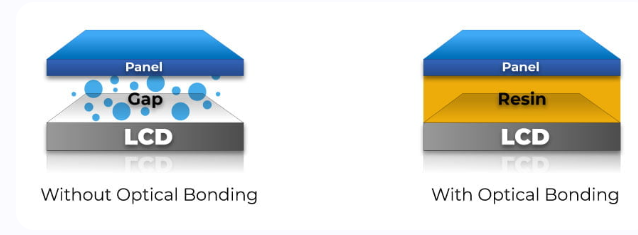
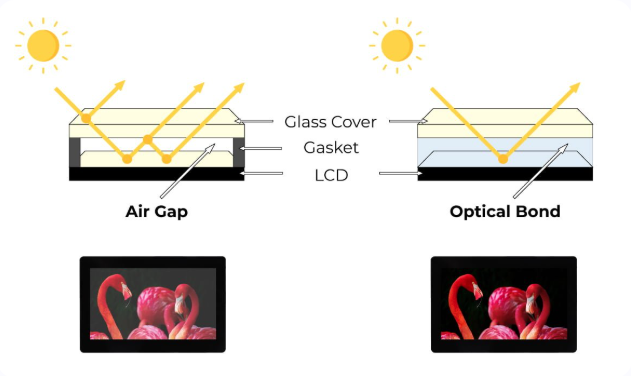
In 10.1″ and 12.1″ variants, air bonding and optical bonding are both available. In 15.6″ variants, optical bonding is the default. It fills the LCD-to-glass gap, reducing internal reflections and removing the space where condensation can form.
EDID carries panel timing data. Riverdi supplies Linux display and touch drivers, so timing, bridge configuration and touch setup do not start as separate tasks.
The implementation path is covered in Riverdi’s Toradex videos: touch bring-up for 12.1″ and 15.6″ displays, and device tree overlay setup for custom Linux configurations.
Applications of Toradex displays
Industrial HMIs, factory terminals and fleet systems usually sit in the 7″ to 12.1″ range. Large-format HMI workstations move to 15.6″, with full HD resolution and optical bonding on touch variants. Medical and diagnostic devices usually use 10.1″ or 12.1″ modules.
For harsher environments, the same base module can be adapted, for example with thicker cover glass, optical bonding or touch tuning for gloves.
Outdoor kiosks, POI terminals and EV chargers usually start from 10.1″ high-brightness PCAP variants. For strong ambient light or front glass, optical bonding should be specified.
Smart vending and retail systems stay mostly in the 7″ to 10.1″ range. IoT gateways and edge devices usually use 7″ modules.
Riverdi Toradex display manufacturer
Riverdi has manufactured display modules in Europe since 2012, with components selected for 10+ year availability. Modules are available without MOQ, so engineers can buy even one unit for validation and keep the same sourcing path for regular production. Global distribution through DigiKey, Mouser, RS Components and TME keeps procurement open outside direct orders.
Riverdi is a Toradex Authorized Partner. For Verdin projects, that reduces display bring-up work: the module is designed around MIPI DSI, SN65DSI83, the 34-pin connector used with Dahlia and Mallow carrier boards, EDID auto-detection and Linux drivers, instead of being a generic panel later matched to the Toradex stack.
Optical bonding is done in-house, so readability and front-stack changes stay with the display manufacturer. Brightness, touch behavior, cover glass, mechanics, housing and PCB details can be customized by Riverdi engineers for your project.