Single Board Computer Displays
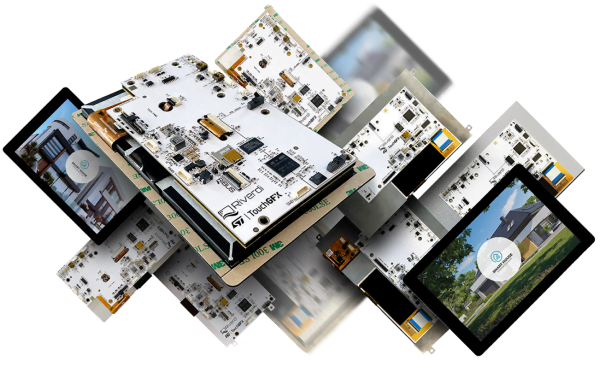
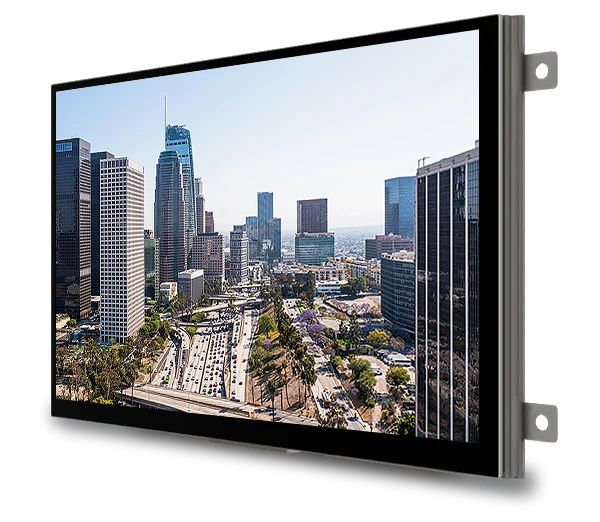
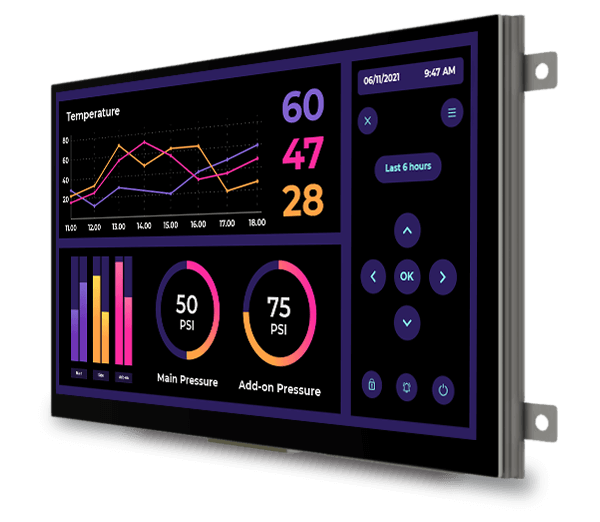
Riverdi Single Board Computer displays are high-brightness IPS TFT modules prepared for specific SBC and SoM ecosystems, including Toradex Verdin and Raspberry Pi Compute Module 4. For Linux, FreeRTOS, or Android devices, a single board computer display matched to the platform removes the first layer of panel, interface and driver work.
See how Riverdi’s specialist builds a Toradex-based display setup step by step in this presentation.
Currency:
-
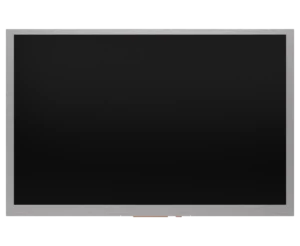
High Brightness 10.1″ IPS TFT LCD Display, 1280×800px, for Raspberry Pi Compute Module 4 (CM4) – RVT101HVCNWN00
$318.75 -
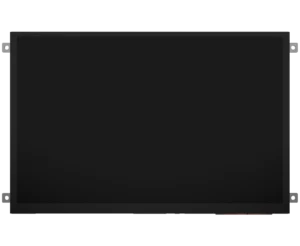
High Brightness 10.1″ IPS TFT LCD Display, 1280×800px, for Raspberry Pi Compute Module 4 (CM4) + Capacitive touchscreen – RVT101HVCFWCA0
$367.25 -
High Brightness 10.1″ IPS TFT LCD Display, 1280×800px, for Raspberry Pi Compute Module 4 (CM4) + Capacitive touchscreen – RVT101HVCNWC00
$362.37 -
High Brightness 10.1″ IPS TFT LCD Display, 1280×800px, for Raspberry Pi Compute Module 4 (CM4) – RVT101HVCFWN00
$325.90 -
High Brightness 10.1″ IPS TFT LCD Display, 1280×800px, for Raspberry Pi Compute Module 4 (CM4) + Capacitive touchscreen – RVT101HVCNWC00-B
$382.01 -
High Brightness 10.1″ IPS TFT LCD Display, 1280×800px, for Raspberry Pi Compute Module 4 (CM4) + Capacitive touchscreen – RVT101HVCNWCA0
$360.11 -
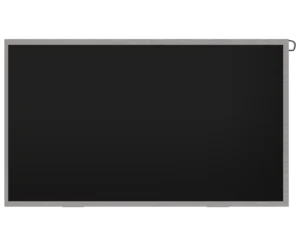
High Brightness IPS display 15.6″ TFT LCD Full HD 1920x1080px, MIPI DSI interface – RVT156HKDNWN00
$257.16 -
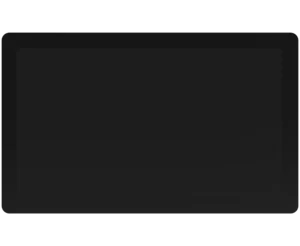
High Brightness IPS display 15.6″ TFT LCD Full HD 1920x1080px, MIPI DSI interface + Capacitive touchscreen – RVT156HKDNWC00-B
$383.17 -
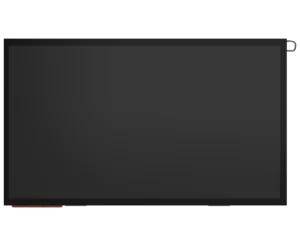
High Brightness IPS display 15.6″ TFT LCD Full HD 1920x1080px, MIPI DSI interface + Capacitive touchscreen – RVT156HKDNWCA0-B
$377.91 -
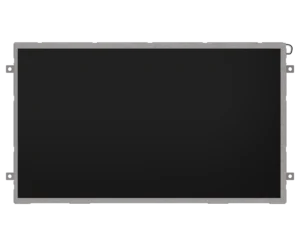
High Brightness IPS display 15.6″ TFT LCD Full HD 1920x1080px, MIPI DSI interface – RVT156HKDFWN00
$290.19 -
High Brightness IPS display 15.6″ TFT LCD Full HD 1920x1080px, MIPI DSI interface + Capacitive touchscreen – RVT156HKDFWCA0-B
$409.58 -

High Brightness IPS display 7.0″ TFT LCD 1024x600px, MIPI DSI interface – RVT70HSDNWN00
$64.97 -
High Brightness IPS display 7.0″ TFT LCD 1024x600px, MIPI DSI interface – RVT70HSDFWN00
$67.53 -

High Brightness IPS 7.0″ TFT LCD display 1024x600px with Capacitive Touchscreen, MIPI DSI – RVT70HSDNWC00
$101.98 -

High Brightness IPS 7.0″ TFT LCD display 1024x600px with Capacitive Touchscreen, MIPI DSI display – RVT70HSDNWC00-B
$121.90 -

High Brightness IPS display 7.0″ TFT LCD 1024x600px with Capacitive Touchscreen, MIPI DSI interface – RVT70HSDNWCA0
$99.32 -

High Brightness IPS display 7.0″ TFT LCD 1024x600px, MIPI DSI interface + Capacitive touchscreen – RVT70HSDFWCA0
$102.00 -
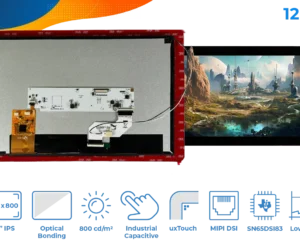
High Brightness IPS display 12.1″ TFT LCD 1280x800px, MIPI DSI interface + Capacitive touchscreen – RVT121HVDNWC00-B
$227.10
What are Single Board Computer displays?
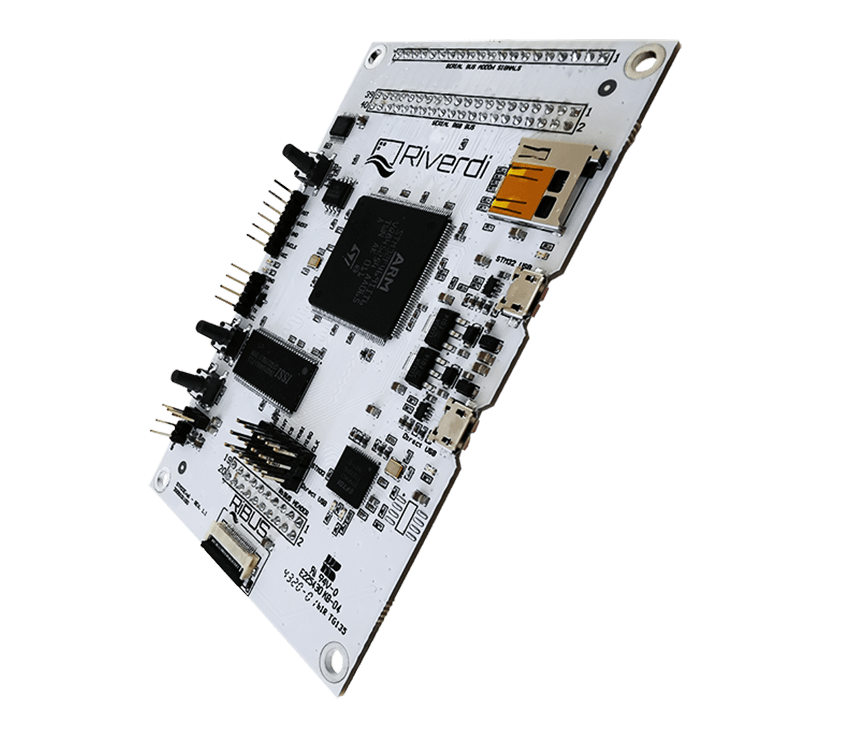
SBC displays add SoM-specific interface optimization on top of high-brightness IPS hardware: MIPI DSI bridge, EDID, drivers, touch support and first-stage validation. This shortens the path from electrical connection to GUI work, application testing and mechanical integration.
As Tomasz Soldat, Riverdi CTO, sums it up: “Engineers should not have to solve bridge, driver, touch and compatibility issues from scratch just to get the screen working.”
Features of SBC displays
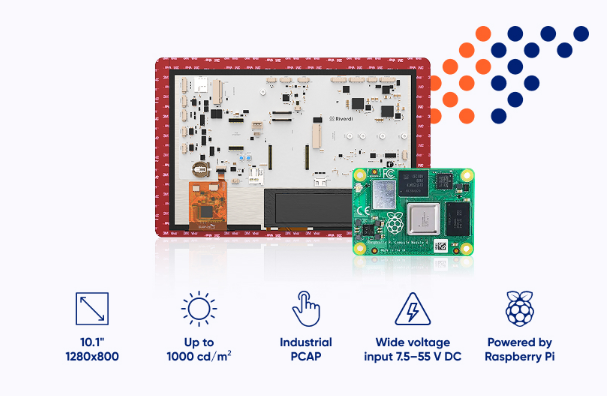
Riverdi SBC displays currently cover Toradex Verdin displays and Raspberry Pi CM4 displays. Toradex variants use MIPI DSI and cover sizes from 7″ to 15.6″. Raspberry Pi CM4 displays are integrated display platforms for Compute Module 4 projects.
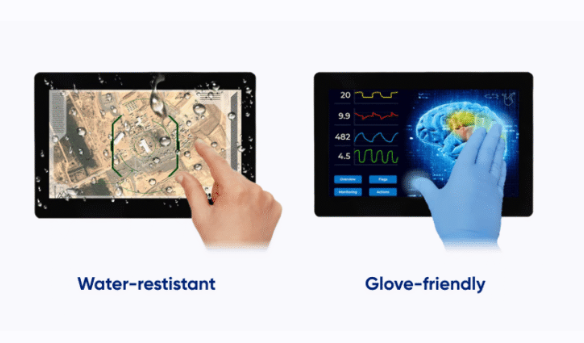
The modules use IPS panels with resolution up to 1920×1080 px Full HD and brightness up to 1000 cd/m². PCAP touch is available for operator interfaces where the screen is used for both display and control. Software support covers Linux, FreeRTOS and Android, depending on the host platform and project architecture.
Compared with standard HB IPS displays, this category removes low-level integration work – displays are just ready to work. Compared with STM32 displays, SBC displays use external SoMs with Cortex-A class application processors, while STM32 modules run the application on their own Cortex-M microcontroller.
Applications of SBC displays
SBC displays ranging from 7″ to 12.1″ find their primary application in Linux-driven industrial HMIs. Medical panels usually need 10.1″ or 15.6″ screens. IPS viewing angles, brightness and PCAP touch are the priorities.
Transportation systems often use 10.1″ displays in driver consoles, passenger information units and maintenance panels.
If the project involves smart vending or self-service terminals, a 7″ to 10.1″ form factor is the standard choice. IoT gateways and edge devices fit well with 7″ displays.
Riverdi SBC display manufacturer
Riverdi has designed and manufactured display modules in Poland since 2012. Standard products are planned around 10+ years of component availability, so the display is less likely to trigger a redesign during the product lifecycle. The company also runs optical bonding in-house, keeping the LCD-to-glass stack under one controlled process and reducing the risk of tolerance issues, supplier handovers and late integration problems.
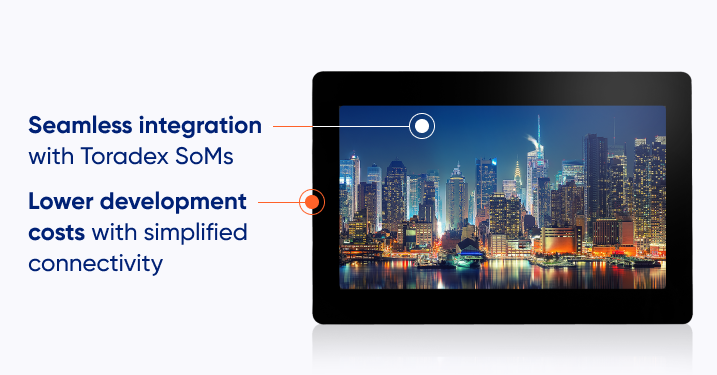
Riverdi is a Toradex Authorized Partner and a Powered by Raspberry Pi partner. It is the manufacturer with pre-validated display platforms for both Toradex Verdin and Raspberry Pi CM4 ecosystems. Engineers start from a module built around the real SoM environment.
Standard SBC display modules are available without MOQ, with global sourcing through Mouser, RS Components, DigiKey and TME. That keeps procurement simple from the first evaluation unit to production orders, without changing the supply path mid-project.
When the standard module is close but not exact, Riverdi keeps the work in-house. Brightness, cover glass, PCB layout, housing and optical bonding can be adapted through customized solutions, while the project keeps the validated SBC display base.