TFT Display
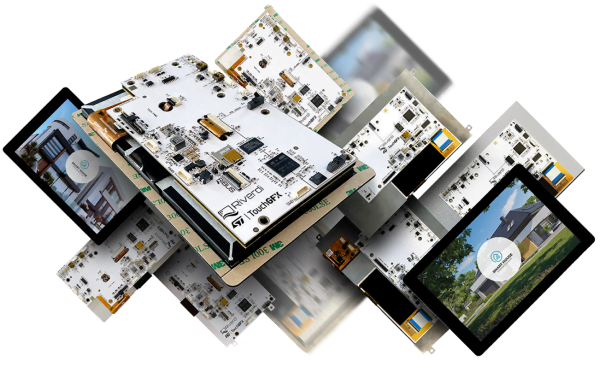
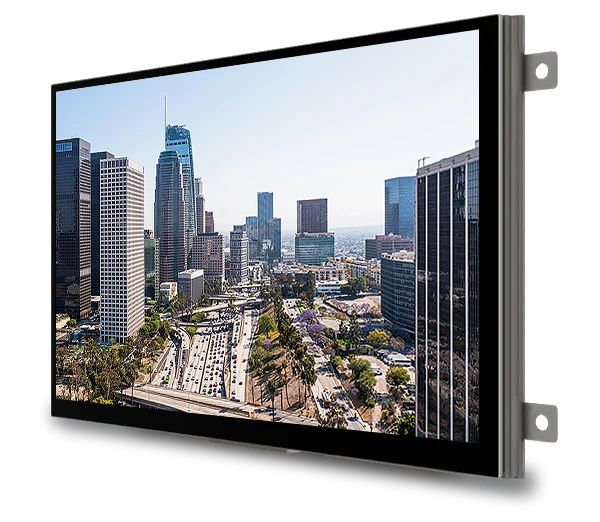
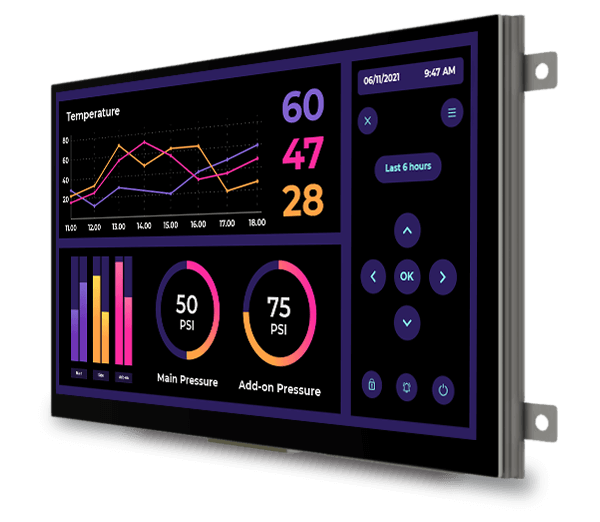
Riverdi TFT displays are industrial active-matrix IPS LCD modules available from 1.54″ to 15.6″. One portfolio covers compact embedded devices, high-brightness outdoor panels and plug-and-play HDMI or USB-C screens, with touch, bonding and interface options selected at project level.
Currency:
-

High Brightness 10.1″ IPS TFT LCD Display, 1280×800px, for Raspberry Pi Compute Module 4 (CM4) – RVT101HVCNWN00
$318.75 -
High Brightness 10.1″ IPS TFT LCD Display, 1280×800px, for Raspberry Pi Compute Module 4 (CM4) + Capacitive touchscreen – RVT101HVCFWCA0
$367.25 -
High Brightness 10.1″ IPS TFT LCD Display, 1280×800px, for Raspberry Pi Compute Module 4 (CM4) + Capacitive touchscreen – RVT101HVCNWC00
$362.37 -
High Brightness 10.1″ IPS TFT LCD Display, 1280×800px, for Raspberry Pi Compute Module 4 (CM4) – RVT101HVCFWN00
$325.90 -
High Brightness 10.1″ IPS TFT LCD Display, 1280×800px, for Raspberry Pi Compute Module 4 (CM4) + Capacitive touchscreen – RVT101HVCNWC00-B
$382.01 -
High Brightness 10.1″ IPS TFT LCD Display, 1280×800px, for Raspberry Pi Compute Module 4 (CM4) + Capacitive touchscreen – RVT101HVCNWCA0
$360.11 -
1.54” STM32 Nucleo 64 Display Kit WBA65RI
$28.40 -
Plug and play display 15.6″ TFT LCD Full HD 1920x1080px, HDMI interface + Capacitive touchscreen – RVT156HKHNWC00-B
$474.37 -
Plug and play display 15.6″ TFT LCD Full HD 1920x1080px, HDMI interface – RVT156HKHNWN00
$335.30 -
Plug and play display 15.6″ TFT LCD Full HD 1920x1080px, HDMI interface – RVT156HKHFWN00
$358.35 -
Plug and play display 15.6″ TFT LCD Full HD 1920x1080px, HDMI interface + Capacitive touchscreen – RVT156HKHNWCA0-B
$469.62 -
Plug and play display 15.6″ TFT LCD Full HD 1920x1080px, HDMI interface + Capacitive touchscreen – RVT156HKHFWCA0-B
$502.50 -
High Brightness IPS display 15.6″ TFT LCD Full HD 1920x1080px, MIPI DSI interface – RVT156HKDNWN00
$257.16 -
High Brightness IPS display 15.6″ TFT LCD Full HD 1920x1080px, MIPI DSI interface + Capacitive touchscreen – RVT156HKDNWC00-B
$383.17 -
High Brightness IPS display 15.6″ TFT LCD Full HD 1920x1080px, MIPI DSI interface + Capacitive touchscreen – RVT156HKDNWCA0-B
$377.91 -
High Brightness IPS display 15.6″ TFT LCD Full HD 1920x1080px, MIPI DSI interface – RVT156HKDFWN00
$290.19 -
High Brightness IPS display 15.6″ TFT LCD Full HD 1920x1080px, MIPI DSI interface + Capacitive touchscreen – RVT156HKDFWCA0-B
$409.58 -
Intelligent display 15.6″ TFT LCD Full HD 1920x1080px, EVE5 BT820B – RVT156HKBNWN00
$337.44



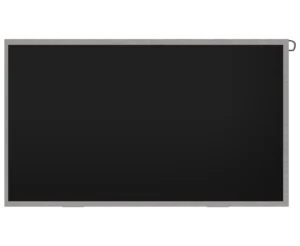
What is a TFT Display?
A TFT display is an LCD display where thin-film transistors control individual pixels. LCD describes the display principle; TFT describes the active-matrix structure that makes color GUI, stable refresh, high brightness and touch operation.
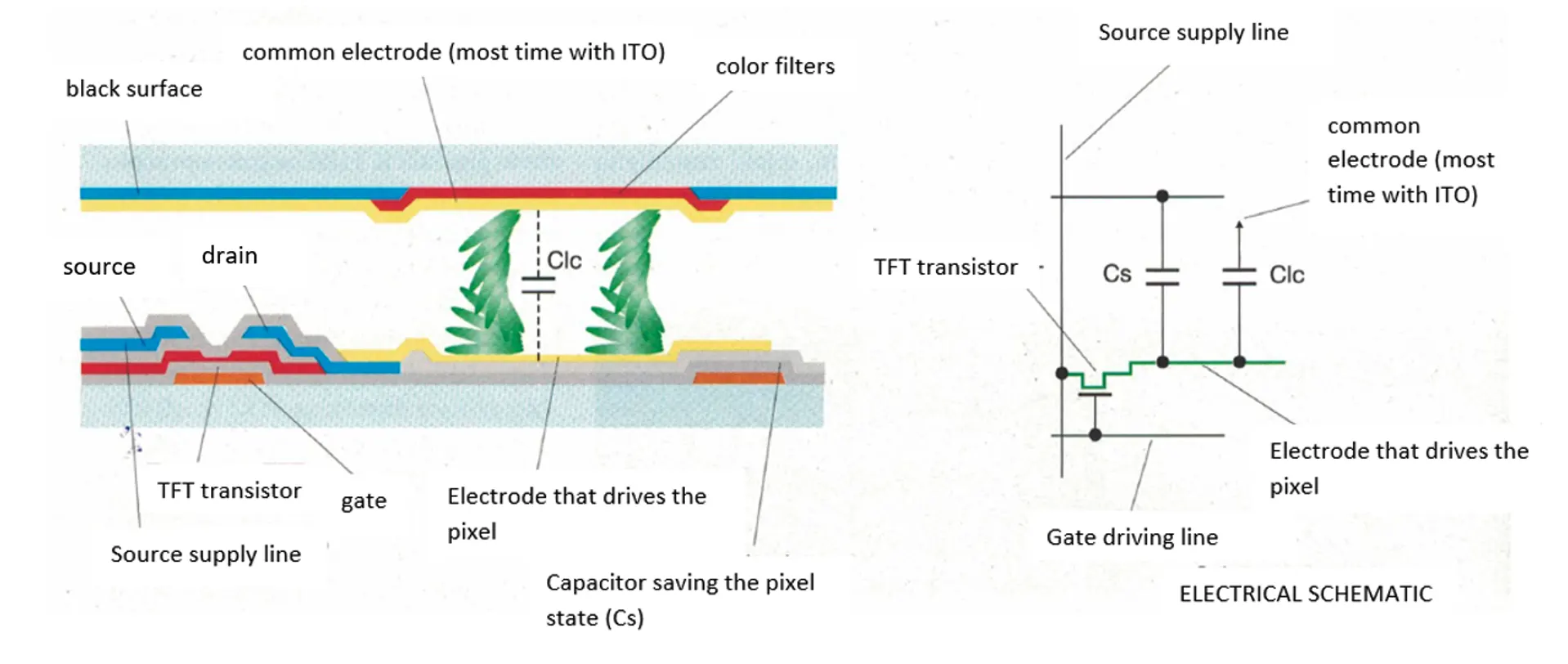
Passive LCDs still fit simple monochrome instruments, but they do not give the control needed for industrial HMI panels, medical interfaces, kiosks or outdoor devices with dynamic screens.
As Tomasz Soldat, Riverdi CTO, explains: “In demanding industrial environments, TFT delivers the predictable performance engineers need. It’s what determines whether your UI stays functional or becomes useless after final assembly. ”
In Riverdi modules, TFT technology is used mainly with industrial IPS LCD panels. The same display family can work in embedded systems, in HDMI or USB-C plug-and-play setups.
Cover glass, PCAP touch, optical bonding and brightness decide whether the TFT LCD display stays readable and really functional after installation.
Riverdi standard modules operate from -20°C to +70°C.
Types of TFT displays
The main TFT panel types are TN, VA and IPS. TN is fast and cost-efficient, but limited in viewing angles and color stability. VA gives stronger contrast and deeper blacks.
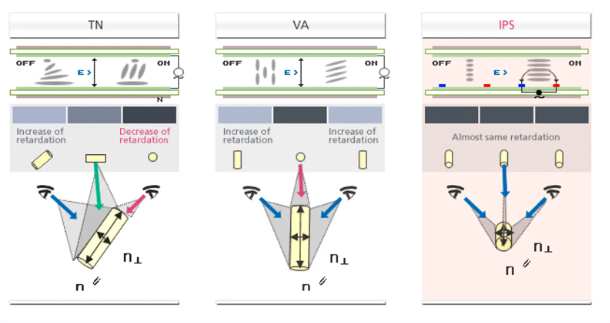
Riverdi uses IPS as the standard for industrial TFT displays because it keeps color and contrast stable when the screen is viewed from the side, from above or around the machine. For outdoor and high-ambient-light projects, see also Riverdi HB IPS displays.
OLED uses self-emissive pixels and offers strong contrast, but TFT LCD is usually more predictable for static UI elements, high brightness, long lifecycle planning and larger formats. E-paper fits static, ultra-low-power information screens.
Applications of TFT displays
Where the interface changes, refreshes or reacts to touch, TFT is usually the practical display choice. It is the technology engineers reach for when the display is no longer just showing information, but becomes the main way to operate the device.
A product family may use a compact screen for local control and a larger 10.1″ or 12.1″ panel for a line interface. Medical and laboratory devices also use 10.1″ to 12.1″ TFT displays for patient data, measurement results, device status and control screens.
EV chargers, outdoor terminals, POS systems and kiosks often use a TFT LCD touch screen behind protective glass. High brightness, PCAP tuning and optical bonding decide real front-panel usability.
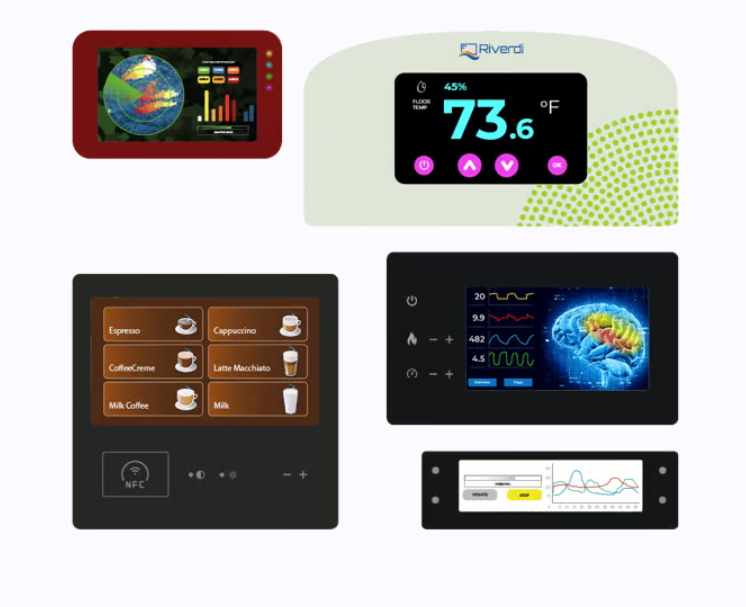
Smart building and HVAC panels use smaller TFT displays for wall panels, room controllers and local device control. That’s where enclosure fit, power budget and host communication define the selection.
Riverdi TFT display manufacturer
Riverdi has been designing and manufacturing advanced industrial visual modules in Europe since 2012. As a TFT display manufacturer, it gives engineering teams one source for the display, touch sensor, cover glass and bonding process, instead of splitting the front stack between several vendors.
In-house optical bonding gives Riverdi direct control over front-panel consistency across production batches. It helps keep readability, touch behavior and mechanical integration predictable when the display becomes part of the final enclosure.
Standard modules are available without MOQ, from evaluation samples to volume production, with global access through DigiKey, Mouser, RS and TME. When the catalog version is not enough, Riverdi supports customized solutions for interface, brightness, cover glass, touch tuning or housing changes. 10+ years of component availability helps avoid redesign costs late in the product lifecycle.