MCU displays
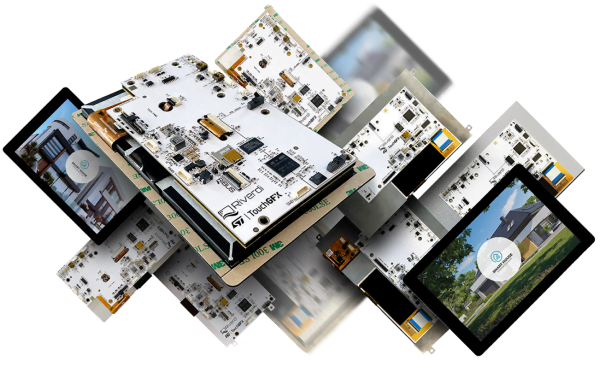
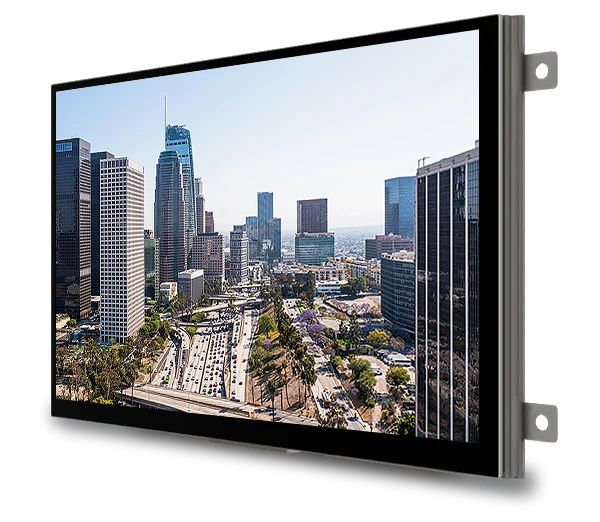
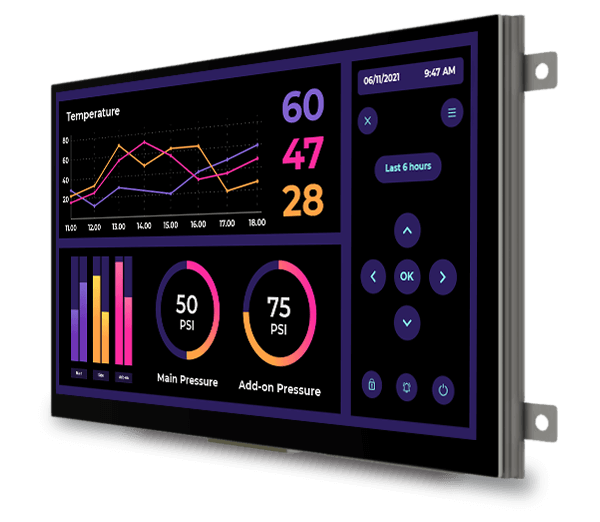
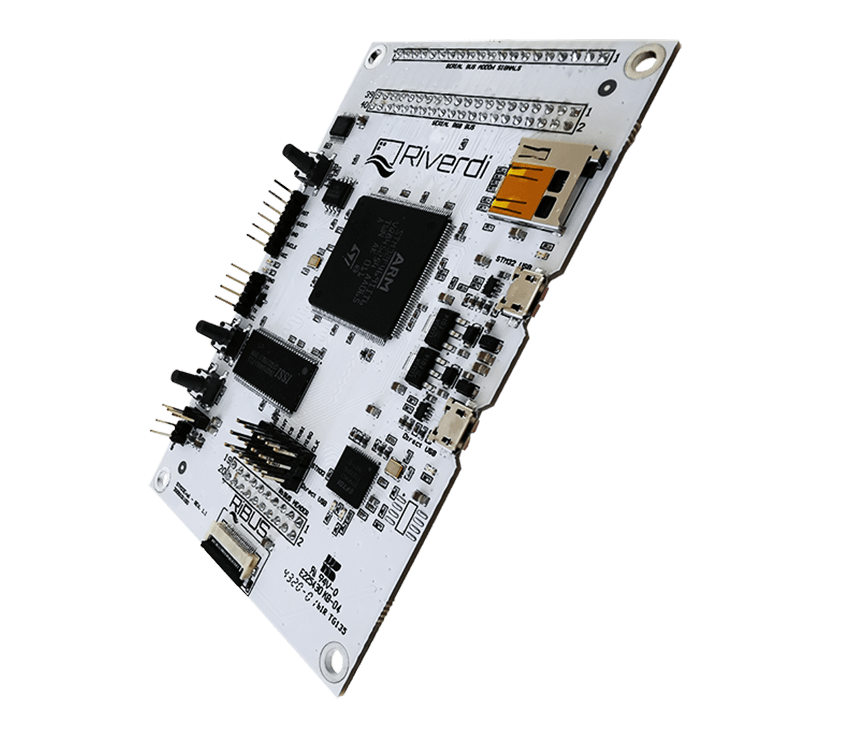
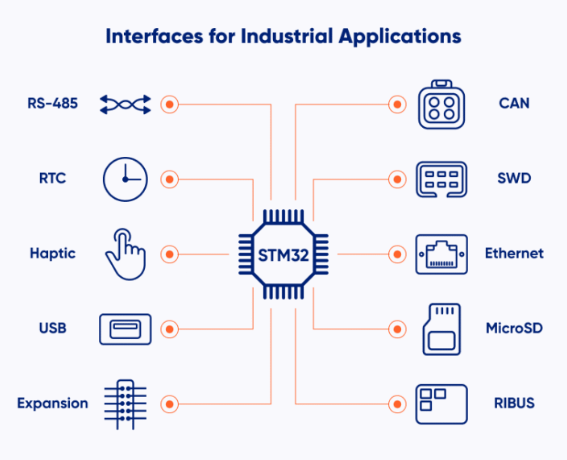
MCU Displays integrate a TFT LCD panel, touch, memory, I/O and processor on the display board. This category works as an umbrella for display modules with on-board processing, across STM32, Raspberry Pi CM4 and NXP platforms. The portfolio covers sizes from 1.54″ to 12.1″.
Currency:
What are MCU displays?
An MCU display is a display module with its own processing unit. The application can run directly on the module, without a separate host board dedicated to the user interface.
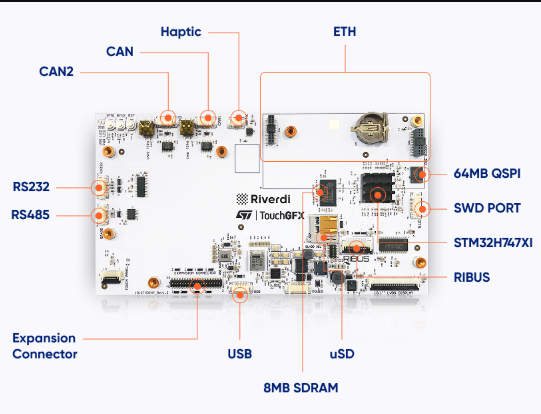
In STM32 variants, the display uses STM32H7 or STM32U5. STM32H7 fits a higher GUI load and larger resolutions. STM32U5 matches low-power panels, where local control and touch are needed without a Linux computer. For a deeper introduction to this architecture, see the STM32 part 1 and part 2 videos.
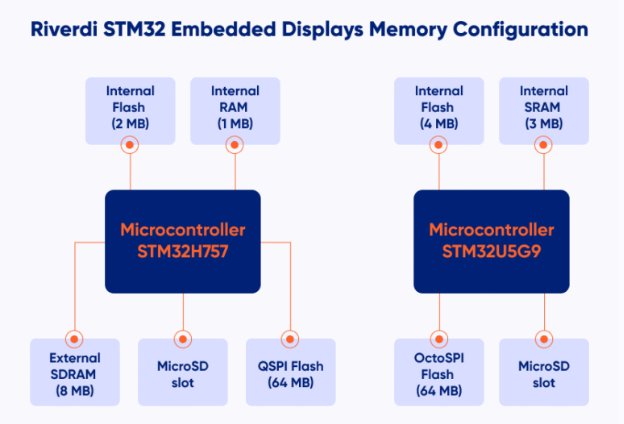
Raspberry Pi CM4 variants bring Raspberry Pi-based processing into the same on-board display architecture. With the NXP i.MX RT1176, this category will also cover crossover MCU displays based on Cortex-M7 and Cortex-M4 cores.
Short comparison: EVE controllers generate graphics and handle touch, but the application still runs on an external MCU. High Brightness IPS is display hardware for a system with its own host processor.
Benefits of MCU displays
The main benefit is a shorter integration path.
The display module already includes the processor, memory, touch interface and I/O needed to run the user interface locally, so the engineering team does not have to build this chain from separate boards and controllers.
Each platform gives engineers a defined software path. STM32 displays work with TouchGFX and ready demo projects. The NXP RT1176 platform will fit MCUXpresso and GUI Guider workflows. Raspberry Pi CM4 variants support Linux-based HMI development.
As Tomasz Soldat, Riverdi CTO, puts it: “One team may choose STM32, another NXP, another Raspberry Pi. Our job is to keep the display platform ready for each of these paths, under one roof. ”
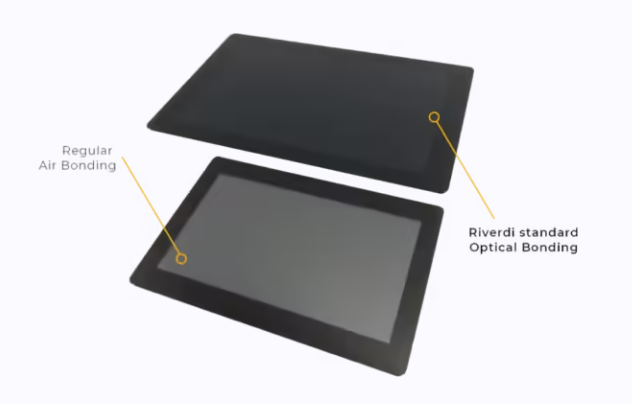
PCAP variants can use optical bonding or air bonding, uxTouch or aTouch construction, cover glass changes and touch tuning. In-house optical bonding removes the air gap between LCD and touch glass, reducing reflections and improving contrast in sunlight or strong factory lighting.
MCU Displays in various applications
MCU displays fit products where the screen functions as the local control unit.
For machine status, alarms, parameters, and service menus, industrial HMI panels typically rely on 7″ to 12.1″ displays, allowing direct data exchange between the PLC and the local GUI. If you are designing EV chargers, a high-brightness 7″ or 10.1″ PCAP display handles the touch interface and status screens directly at the node.
Smaller form factors, such as a 5″ display, are the standard choice for elevator panels, access systems, and home automation.
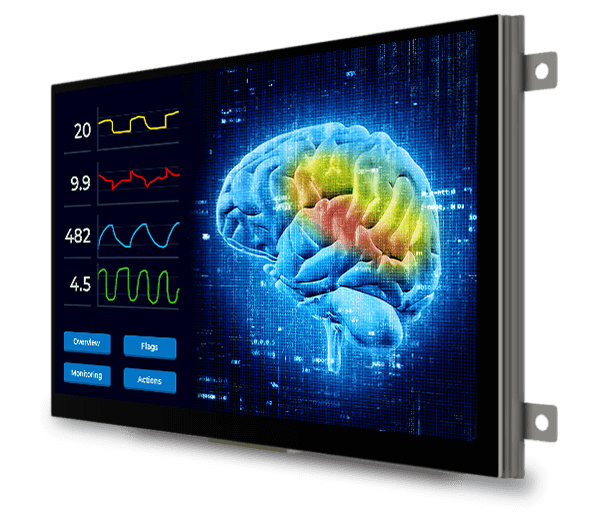
In medical and laboratory devices, shifting the focus to 10.1″ or 12.1″ displays isolates local GUI execution from the sensing or actuation electronics.
Riverdi MCU display Manufacturer
Riverdi has built display modules for industrial use in Europe (Poland) since 2012. As an STMicroelectronics Authorized Partner for over 5 years, the company supports STM32 and TouchGFX-based display development. Partnerships with NXP Semiconductors and Raspberry Pi extend the same model to RT1176 and CM4-based platforms. This is platform-level cooperation, not only component selection.
The company uses components with long-term availability (10+ years). Runs optical bonding in-house, and, when the standard module needs another cover glass, special materials, brightness modification or interface detail, Riverdi handles it through customized solutions.
Standard MCU display products are available without MOQ through DigiKey, Mouser, RS Components and TME. One module or a small batch is enough to validate the display architecture before volume production.