I²C/SPI displays
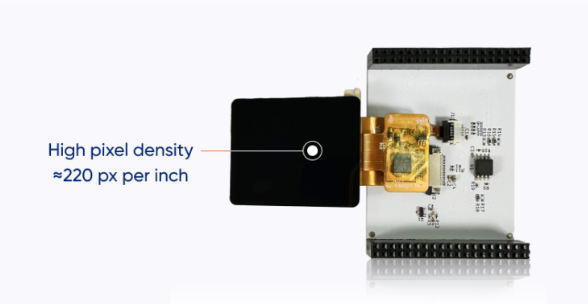
Riverdi I²C/SPI displays use I²C mainly for touch or control communication and SPI for display data. The category covers compact display modules from 1.54″ to 7″, including STM32 Nucleo display kits at 1.54″ and 3.5″.
Currency:
-
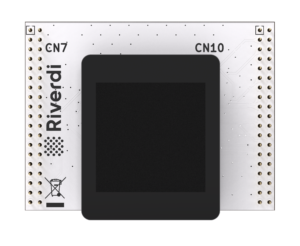
1.54” STM32 Nucleo 64 Display Kit WBA65RI
$28.40 -

High Brightness IPS display 3.5″ TFT LCD 320x480px, RGB and SPI interface display + Capacitive touchscreen – RVT35HITNWC00-B
$28.49 -

High Brightness IPS display 1.54″ TFT LCD 240x240px, SPI interface display + Capacitive touchscreen – RVT15MDTNWC00-B
$17.69 -
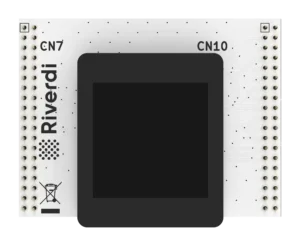
1.54” STM32 Nucleo 64 Display Kit
$28.40 -
3.5” STM32 Nucleo 144 Display Kit
$41.29 -

High Brightness IPS display 5.0″ TFT LCD 800x480px, LVDS interface + Capacitive touchscreen – RVT50HQLNWC00-B
$79.65 -
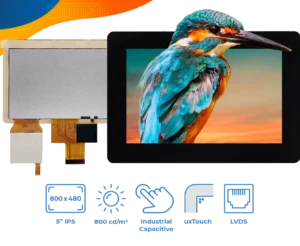
High Brightness IPS display 5.0″ TFT LCD 800x480px, LVDS interface + Capacitive touchscreen – RVT50HQLNWC00
$65.80 -
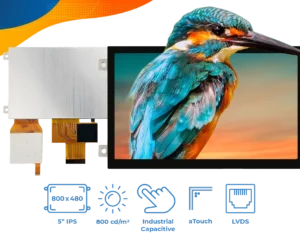
High Brightness IPS display 5.0″ TFT LCD 800x480px, LVDS interface + Capacitive touchscreen – RVT50HQLFWCA0
$66.85 -

High Brightness IPS display 5.0″ TFT LCD 800x480px, LVDS interface + Capacitive touchscreen – RVT50HQLNWCA0
$63.73 -
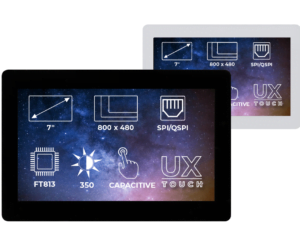
RVT70UQFNWC0x
$93.81 -

RVT70AQFFWC00
$95.58 -
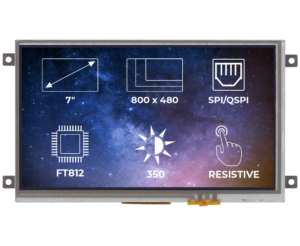
RVT70AQFFWR00
$82.77 -
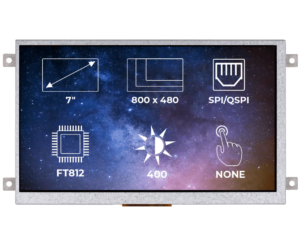
RVT70AQFFWN00
$73.23 -
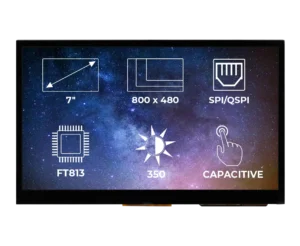
RVT70AQFNWC00
$93.81 -
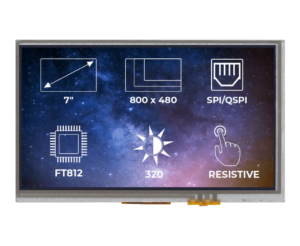
RVT70AQFNWR00
$81.00 -
RVT70AQFNWN00
$71.46 -
RVT50UQFNWC0x
$77.38 -

RVT50AQFFWC00
$79.94
What are I²C/SPI displays?
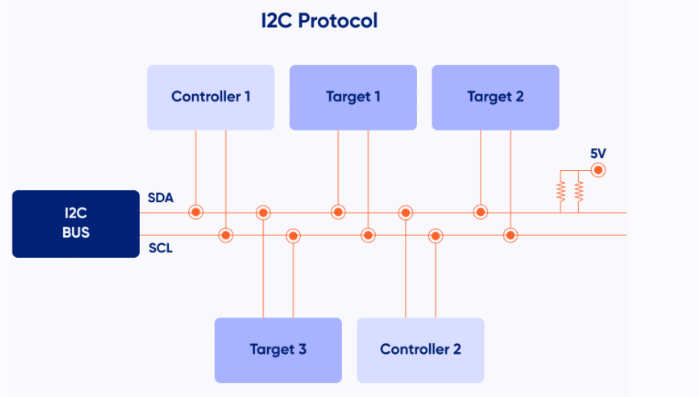
I²C/SPI displays are compact TFT modules driven by the host MCU. SPI carries the screen data, while I²C reads the ILITEK touch controller. The architecture keeps wiring small, but leaves screen updates on the host side.
In practice, you get a touch display over six wires: two for I²C and four for SPI.
USB can also handle touch communication and gives more bandwidth, but it adds enumeration and more software work. I²C is slower, but touch data is small: coordinates, gestures and status. For that job, it is enough.
Important difference: SPI/QSPI displays in Riverdi’s portfolio are EVE-based. I²C/SPI displays in this category are simpler modules.
For a wide interface comparison, see the video explanation by Kamil Kozłowski, Board Member & Technical Advisor at Riverdi.
Advantages of I²C/SPI displays
The main advantage is low pin count. The module avoids a parallel RGB bus and can use a smaller connector. On compact MCU boards, this leaves more GPIOs for sensors, wireless modules, control outputs or diagnostics.
SPI carries the screen data. It is easier to route than RGB because it does not need the same number of timing and data lines.
The limitation is throughput. SPI fits small screens and simple UI states, but it is not a good choice for large, high-refresh interfaces where the host must constantly push full frames.
The decision is practical: choose I²C/SPI when wiring and GPIO count matter more than graphics bandwidth. Choose RGB, LVDS, MIPI DSI or USB video paths when the interface has to carry more data or support frequent screen updates.
Tomasz Soldat, Riverdi CTO, sums it up: “I²C/SPI is a good fit when the display is an interface element, not the main graphics engine. But when the UI starts to need frequent full-screen updates, I would move the project to another architecture. ”
If the application should run directly on the display module, check STM32 displays or the broader MCU displays category.
Uses of I²C/SPI displays
In small IoT devices, 1.54″ and 3.5″ displays are usually enough for setup, status and local readout. A 5″ I²C/SPI display makes sense in control panels with simple screens: settings, service menus, operating modes, alarms. Sensor readout displays can use 7″ modules when more values have to stay visible at the same time, but the UI should be mostly static.
For STM32 Nucleo prototypes, 1.54″ and 3.5″ display kits let engineers test the interface before the custom board exists.
Riverdi I²C/SPI display manufacturer
Riverdi has designed and built industrial displays in Europe since 2012. For STM32-based work, including Nucleo display kits, Riverdi also brings 5+ years of ST Authorized Partner experience.
I²C/SPI is one of the compact-interface options in a wider portfolio that also includes SPI/QSPI, RGB, LVDS, MIPI DSI, HDMI, USB-C, STM32 and MCU displays. Your project can change without searching for a new supplier.
Standard Riverdi displays are available without minimum order quantity. Every module can be globally sourced through DigiKey, TME, RS Components or Mouser.
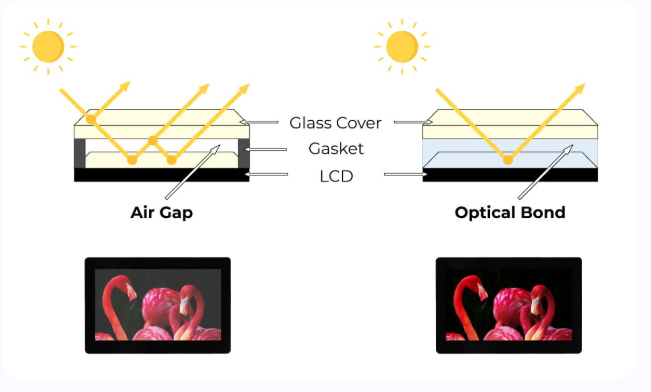
Riverdi plans products around 10+ years of component availability. The company also runs optical bonding in-house, so changes in readability, cover glass, mechanics or front-stack construction can stay with the same manufacturer. For non-standard requirements, the engineering team handles customized solutions instead of forcing the project into the catalog variant.