MIPI DSI displays
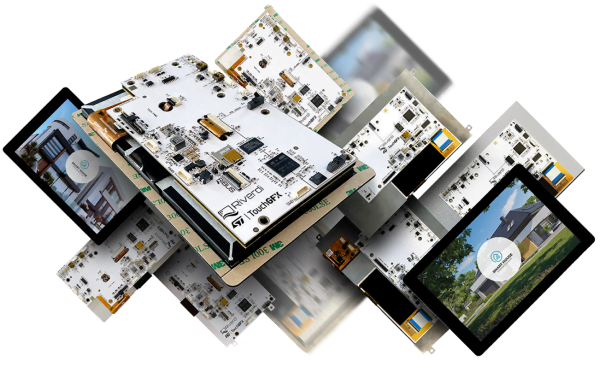
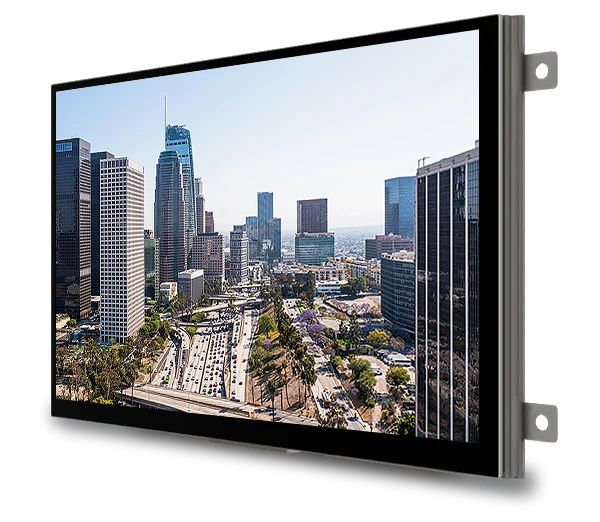
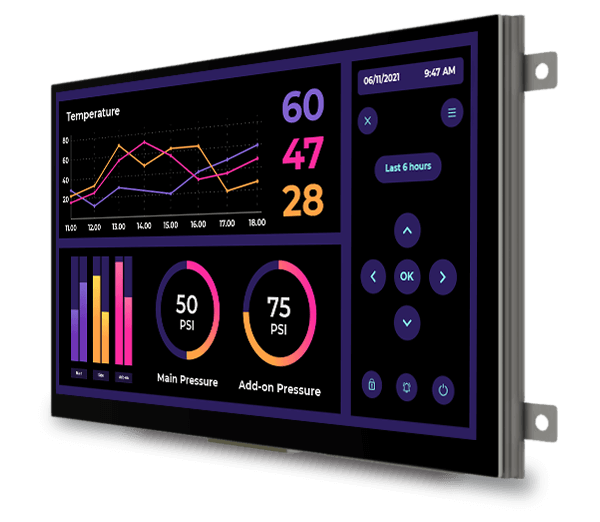
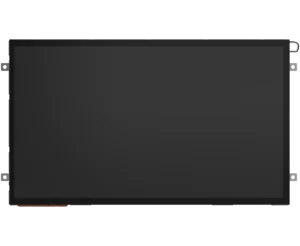
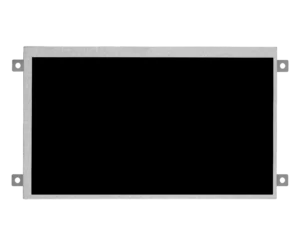
Riverdi MIPI DSI displays are high-brightness IPS TFT modules for application-processor platforms including Toradex Verdin, NXP i.MX and TI AM62x. The standard range covers 7″ to 12.1″, resolutions up to 1920×1080 px and brightness up to 1000 cd/m².
Currency:
-

High Brightness IPS display 15.6″ TFT LCD Full HD 1920x1080px, MIPI DSI interface – RVT156HKDNWN00
$257.16 -
High Brightness IPS display 15.6″ TFT LCD Full HD 1920x1080px, MIPI DSI interface + Capacitive touchscreen – RVT156HKDNWC00-B
$383.17 -
High Brightness IPS display 15.6″ TFT LCD Full HD 1920x1080px, MIPI DSI interface + Capacitive touchscreen – RVT156HKDNWCA0-B
$377.91 -
High Brightness IPS display 15.6″ TFT LCD Full HD 1920x1080px, MIPI DSI interface – RVT156HKDFWN00
$290.19 -
High Brightness IPS display 15.6″ TFT LCD Full HD 1920x1080px, MIPI DSI interface + Capacitive touchscreen – RVT156HKDFWCA0-B
$409.58 -
High Brightness IPS display 7.0″ TFT LCD 1024x600px, MIPI DSI interface – RVT70HSDNWN00
$64.97 -
High Brightness IPS display 7.0″ TFT LCD 1024x600px, MIPI DSI interface – RVT70HSDFWN00
$67.53 -
High Brightness IPS 7.0″ TFT LCD display 1024x600px with Capacitive Touchscreen, MIPI DSI – RVT70HSDNWC00
$101.98 -
High Brightness IPS 7.0″ TFT LCD display 1024x600px with Capacitive Touchscreen, MIPI DSI display – RVT70HSDNWC00-B
$121.90 -
High Brightness IPS display 7.0″ TFT LCD 1024x600px with Capacitive Touchscreen, MIPI DSI interface – RVT70HSDNWCA0
$99.32 -
High Brightness IPS display 7.0″ TFT LCD 1024x600px, MIPI DSI interface + Capacitive touchscreen – RVT70HSDFWCA0
$102.00 -
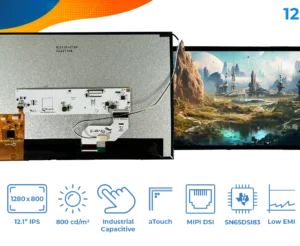
High Brightness IPS display 12.1″ TFT LCD 1280x800px, MIPI DSI interface + Capacitive touchscreen – RVT121HVDNWC00-B
$227.10 -
High Brightness IPS display 12.1″ TFT LCD 1280x800px, MIPI DSI interface + Capacitive touchscreen – RVT121HVDFWCA0-B
$233.87 -
High Brightness IPS display 12.1″ TFT LCD 1280x800px, MIPI DSI interface + Capacitive touchscreen – RVT121HVDNWCA0-B
$224.20 -
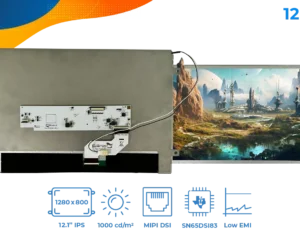
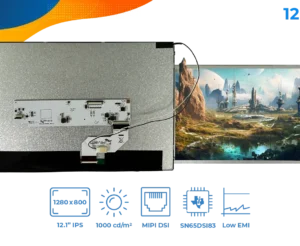
High Brightness IPS display 12.1″ TFT LCD 1280x800px, MIPI DSI interface – RVT121HVDFWN00
$173.55 -
High Brightness IPS display 12.1″ TFT LCD 1280x800px, MIPI DSI interface + Capacitive touchscreen – RVT121HVDNWN00
$163.88 -
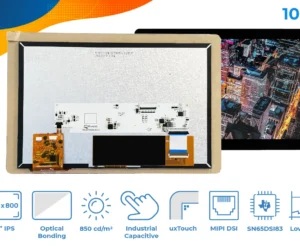
High Brightness IPS display 10.1″ TFT LCD 1280x800px, MIPI DSI interface + Capacitive touchscreen – RVT101HVDNWC00-B
$189.73 -
High Brightness IPS display 10.1″ TFT LCD 1280x800px, MIPI DSI interface + Capacitive touchscreen – RVT101HVDNWC00
$169.68




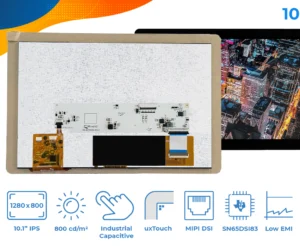
What are MIPI DSI displays?
MIPI DSI displays are TFT display modules driven from an application processor through the MIPI DSI serial interface. Instead of a parallel RGB bus with many data, timing and sync lines, the host sends video through high-speed differential lanes. For a wider comparison of embedded display interfaces, watch Riverdi’s video.
LVDS is also serial, but it belongs to a different design path. It remains common in industrial display links and longer internal cable runs. MIPI DSI is used more often with modern application processors, Linux-capable SoMs and compact carrier boards.
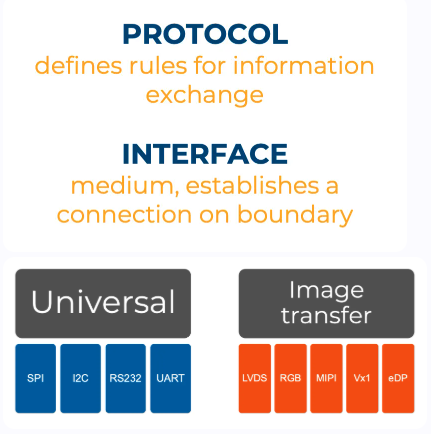
As Tomasz Soldat, Riverdi CTO, points out: “MIPI DSI is becoming the practical interface for embedded displays built around modern SoMs. It reduces pin count, gives bandwidth for higher resolutions and fits the way application processors are designed today.”
Features of MIPI DSI displays
Compared with parallel RGB, MIPI DSI reduces pin count and supports higher bandwidth on compact board layouts. For longer internal display links, LVDS still remains the more typical industrial choice. MIPI DSI fits compact boards and higher-resolution panels, especially when the processor already exposes DSI.
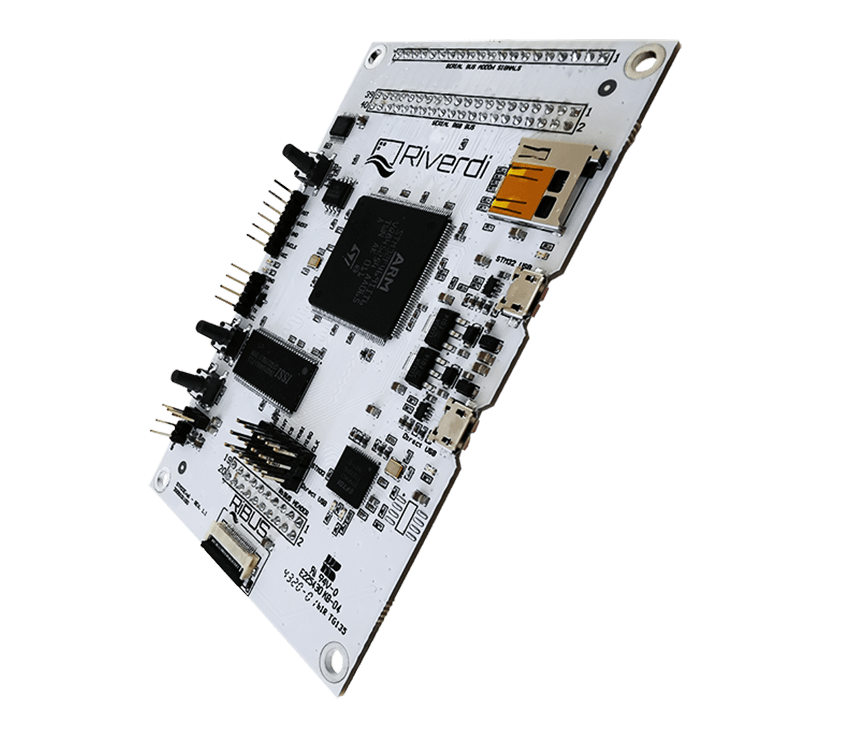
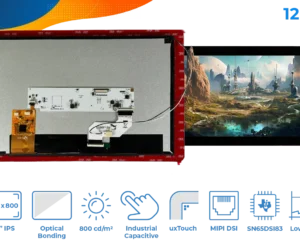
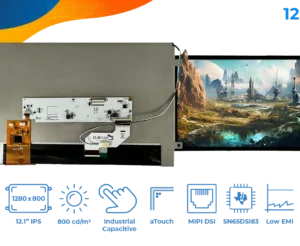
Toradex-compatible modules use the TI SN65DSI83 bridge. It converts MIPI DSI from the SoM side to LVDS on the display path, so Verdin-based projects can use a checked processor-bridge-panel configuration.
Applications for MIPI DSI Displays
When the system is built around an SoM or SBC, MIPI DSI is usually selected because the same processor handles GUI rendering, communication and system logic.
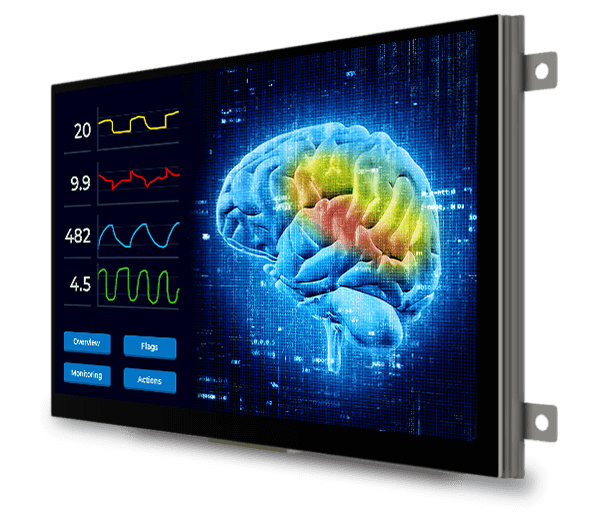
In Toradex Verdin-based HMI panels, 7″ to 12.1″ MIPI DSI displays fit machine interfaces, control terminals and operator panels. Medical devices with Linux-based GUIs usually push more information onto the screen: patient data, charts, parameter views or operating status. For 10.1″ and 12.1″ modules, MIPI DSI keeps that video path close to the application processor instead of forcing a wide RGB bus through the device.
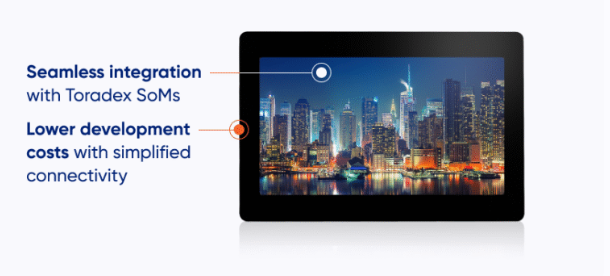
In IoT gateways with application processors, MIPI DSI keeps the display interface close to the same SoM that handles connectivity, local processing and Linux-based system logic. MIPI DSI is also selected in embedded products when RGB would take too many pins or make PCB routing harder.
Use MIPI DSI when the processor gives you native DSI output. Move to LVDS displays when the enclosure needs a longer serialized link, or check RGB displays when the host has a parallel TFT output and the display stays close to the board.
Riverdi MIPI DSI display manufacturer
Riverdi has designed and built TFT display modules in Europe since 2012 and is a Toradex Authorized Partner. For Verdin-based designs, Riverdi engineers prepare the MIPI DSI path around the SN65DSI83 bridge, Linux drivers and Toradex module configuration, so bring-up does not start from a generic panel and bridge chip.
Standard MIPI DSI modules are available without MOQ and can be sourced globally through Mouser, DigiKey, RS Components and TME. That covers single-unit validation, pilot builds and production sourcing. Riverdi uses components with 10+ year availability, so long-lifecycle industrial products can keep the same display path through production and later revisions.
The manufacturer runs optical bonding in-house. If the project needs another brightness level, cover glass, touch tuning, mechanics or interface detail, the engineering team handles it through customized solutions.